

Rehabbed Monsters
fascists mourned as martyrs, the culture washing of a fashion industry predator, and a Nazi in GQ

Happy Sunday, I’ve never sent a newsletter on the weekend but I had some current events that were bugging me that I wanted to write about so I can go into the new week a tad bit more optimistic. I hope your weekend is going better than ours in France at least since Neo Nazis are pouring into the streets from all over Europe. Yesterday, Saturday afternoon in Lyon, thousands gathered to march in memory of Quentin Deranque, the 23-year-old far-right activist whose death has ignited a firestorm of grief, rage, and opportunistic politicking. Estimates put the crowd at around 3,000 to 3,200, a mix of mourners, nationalists, and, alarmingly, neo-Nazis who flocked in from across the continent, turning what was billed as a tribute into a spectacle of hate. Videos circulating online captured Nazi salutes piercing the air, racist slurs echoing through the streets, and homophobic chants that drew swift condemnation from local authorities, who reported the incidents to prosecutors. Lyon’s mayor, Grégory Doucet, had tried to ban the event, citing the influx of extremists, but it went ahead under heavy police watch, with residents barricading their windows in fear of violence.
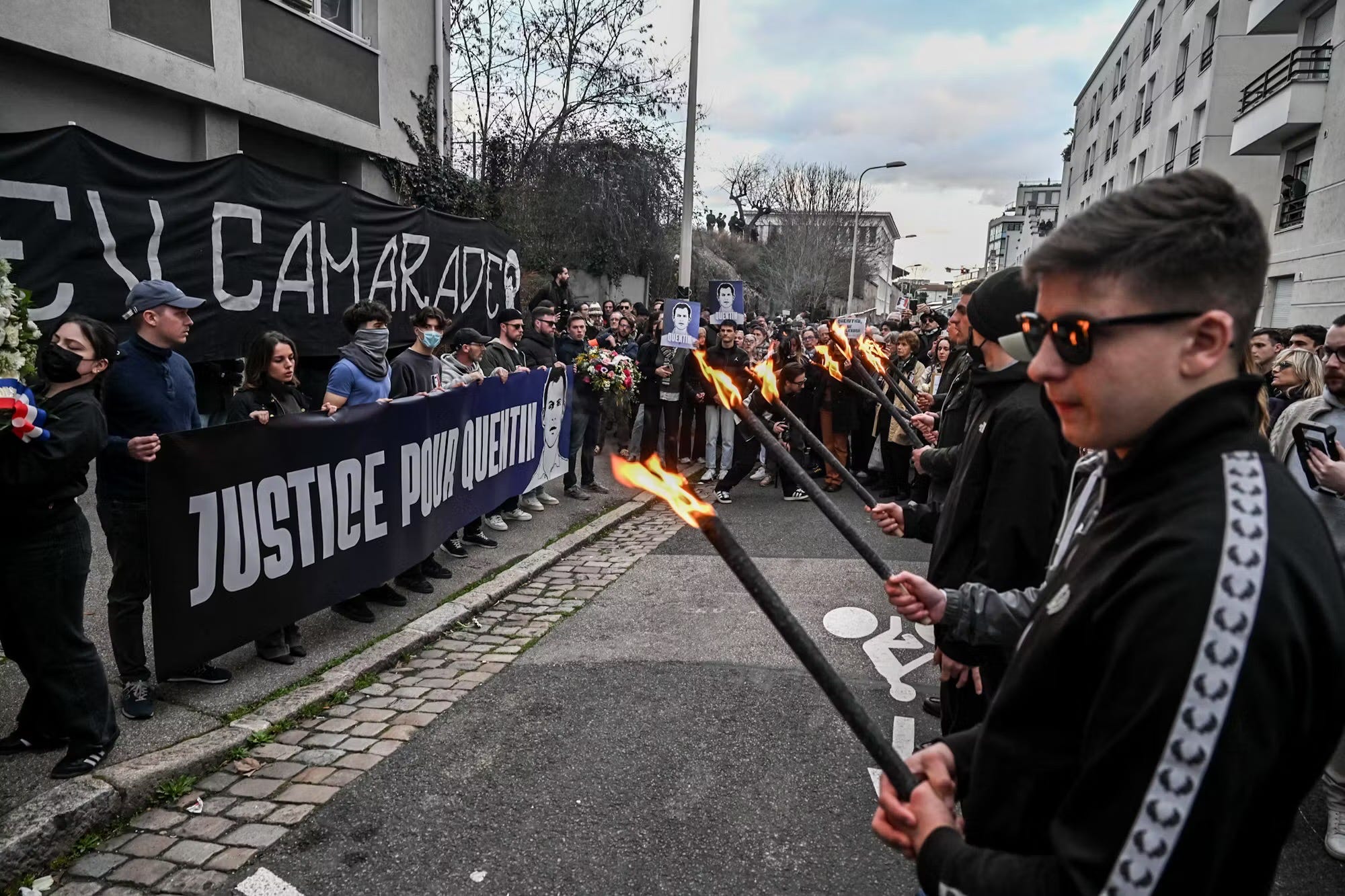
This wasn’t just a local affair, far-right groups from France and beyond had mobilized, heeding calls for “revenge” after Deranque’s killing. Among the notable figures in attendance were some of the movement’s more infamous faces. Aliette Espieux, the anti-abortion activist who organized the rally, and a former candidate for Marine Le Pen’s Rassemblement National (RN) party in 2020, led the procession. She’s married to Eliot Bertin, a prominent neo-Nazi deeply embedded in Lyon’s radical circles, known for his ties to violent factions. Alice Cordier, president of the xenophobic women’s collective Némésis, which Deranque had been “protecting” at the time of the incident, was also there, her group infamous for provocative stunts against immigrants and leftists. Prominent neo-Nazis like Marc de Cacqueray-Valménier, the founder of the dissolved violent group Zouaves Paris who has been recently convicted for violence and reportedly guided parts of the march, and Yvan Benedetti, former leader of the banned Pétainist organization L’Œuvre Française, were also spotted in the crowd, underscoring the event’s draw for Europe’s hardcore extremists. These aren’t fringe players, they’re the architects of a resurgent far-right scene that’s been clashing with antifascists in Lyon for years, a city long plagued by neo-fascist attacks on left-wing spaces, bookstores, and protests.
To understand the march’s fervor, we have to rewind to Deranque’s death. On February 12, amid a pro-Palestinian conference at the Lyon Institute of Political Studies featuring LFI MEP Rima Hassan, tensions boiled over. Deranque, a recent Catholic convert and pro-life advocate, was part of a far-right contingent shielding Némésis protesters outside. What started as a confrontation escalated into a savage brawl, captured on shaky phone footage: Deranque isolated, kicked, and punched until he suffered fatal brain injuries. He died two days later, on February 14. Eleven suspects, allegedly linked to hard-left militants, face charges, but the investigation is ongoing.
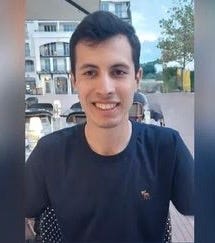
Deranque’s background complicates the narrative his supporters push. Far from the “peaceful activist” eulogized at the march, he had deep ties to hate groups: the royalist Action Française and the neo-fascist Allobroges Bourgoin. He’d marched in neo-Nazi rallies in Paris last spring, masked and militant, shocking the city with their brazen displays. Yet, in the aftermath, his story has been sanitized, weaponized as a symbol of “left-wing terrorism”, a trope that’s now crossing the Atlantic.
Which brings me to the most insidious layer: how the United States is leveraging this tragedy to meddle in French affairs.
